Door Access Control Systems
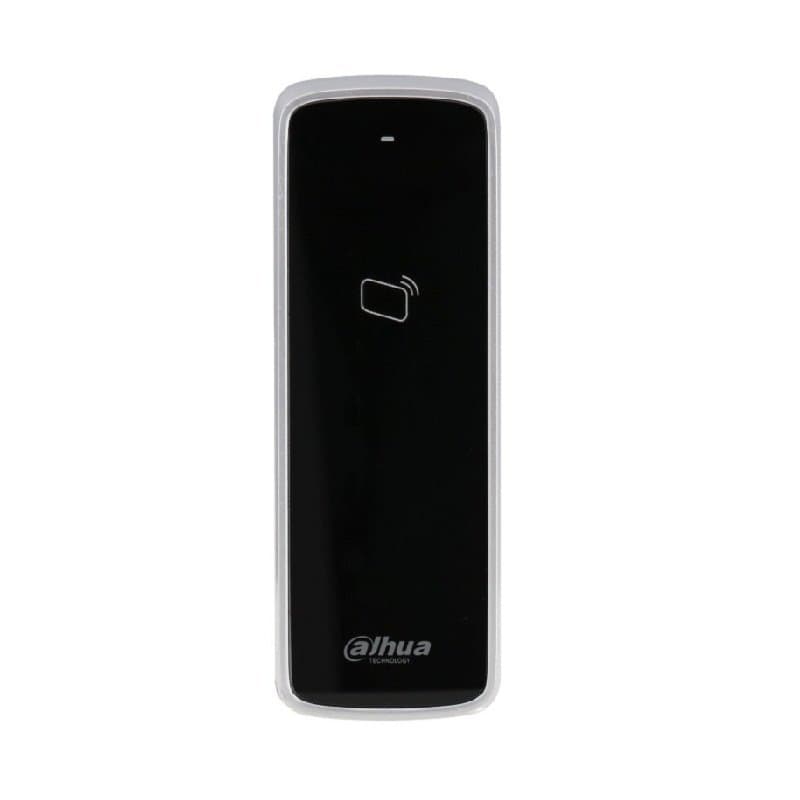
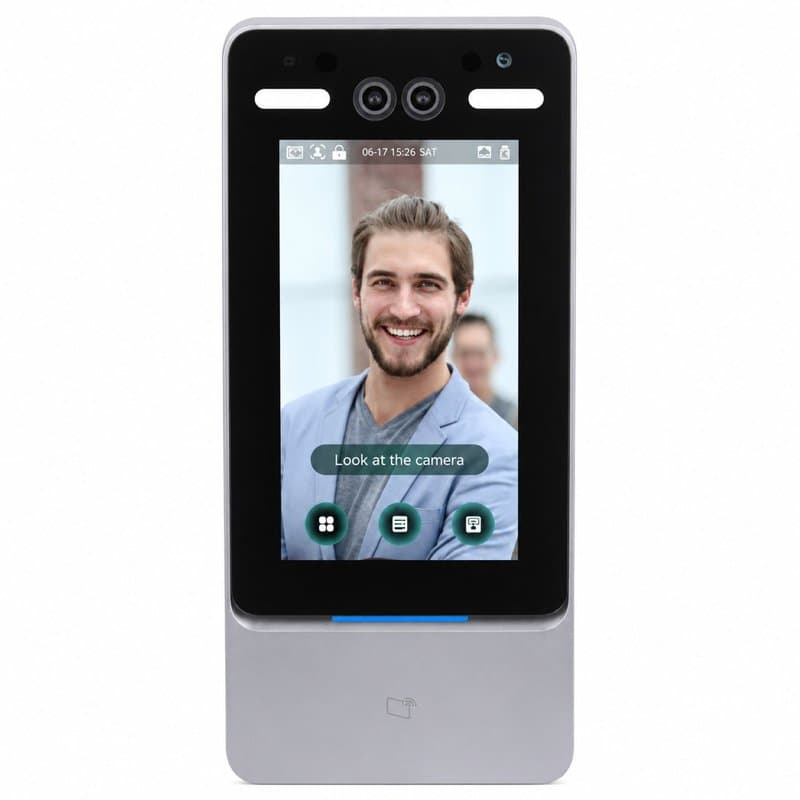
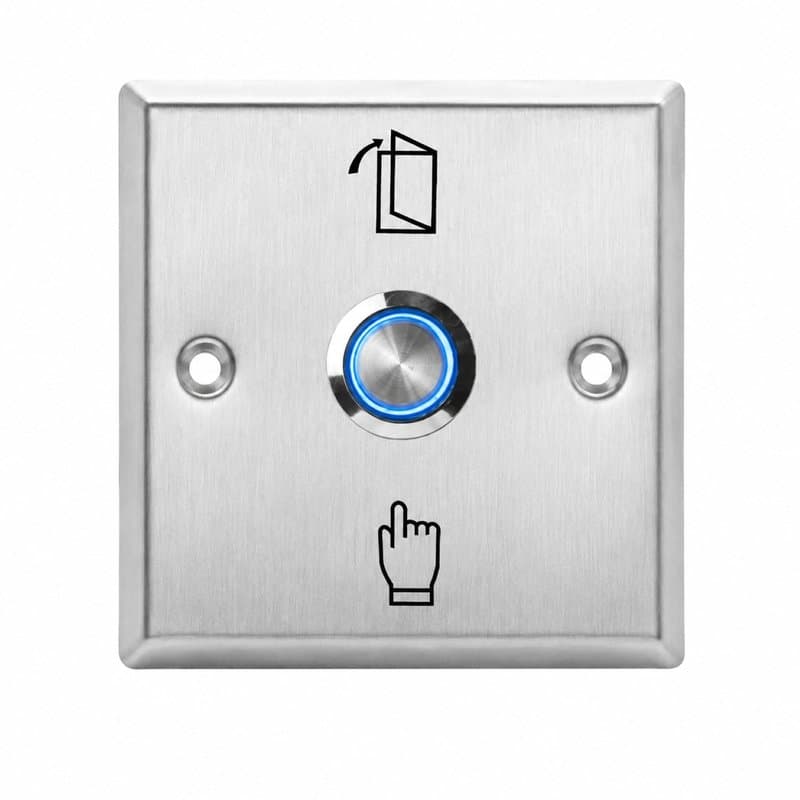
Maglocks, keypads, RFID readers, fobs, exit buttons and face-recognition terminals — the parts that decide who can open a door, held in UK stock for trade accounts.
Four decisions that specify a door
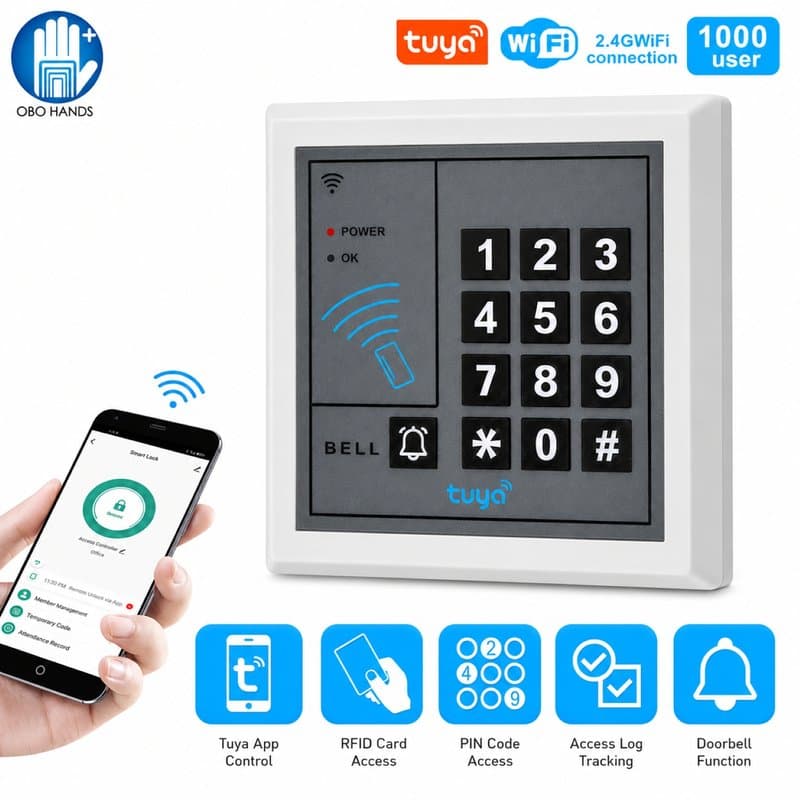
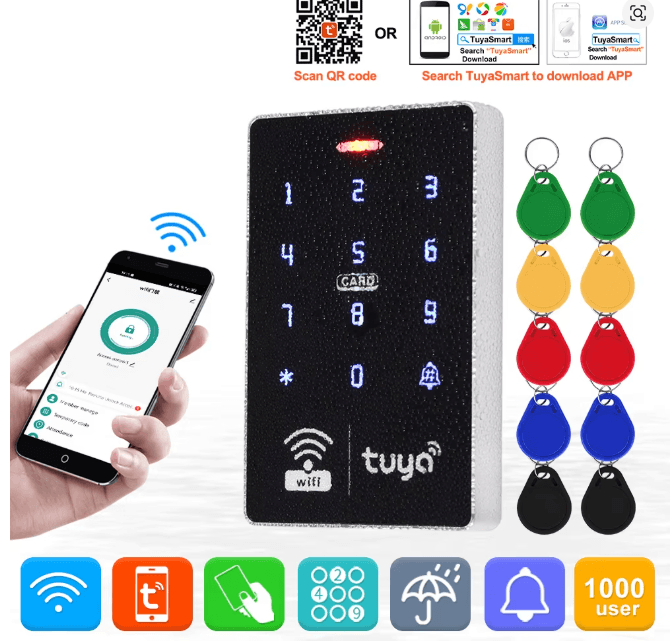
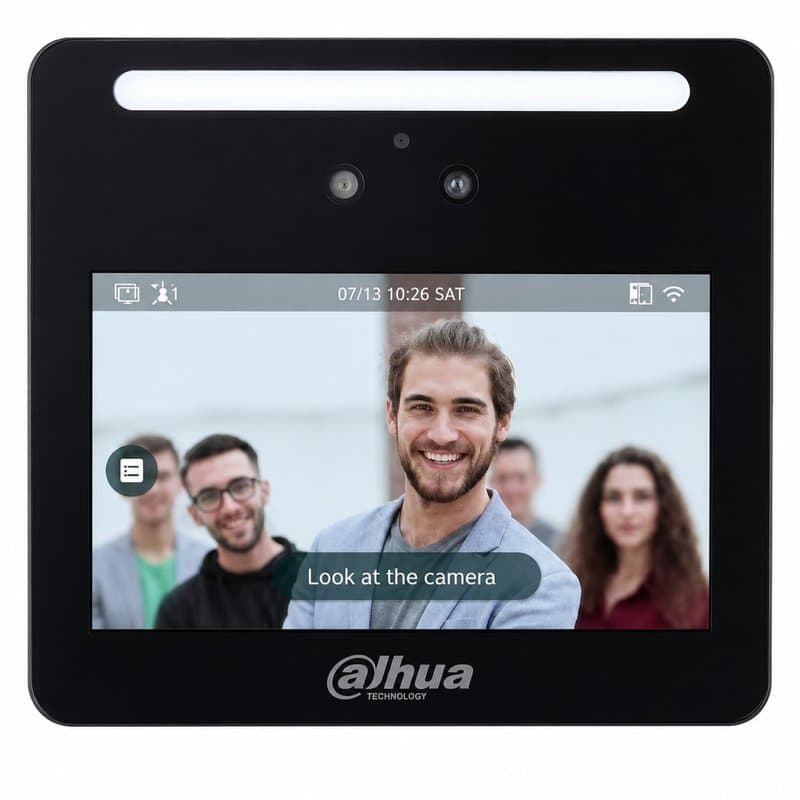
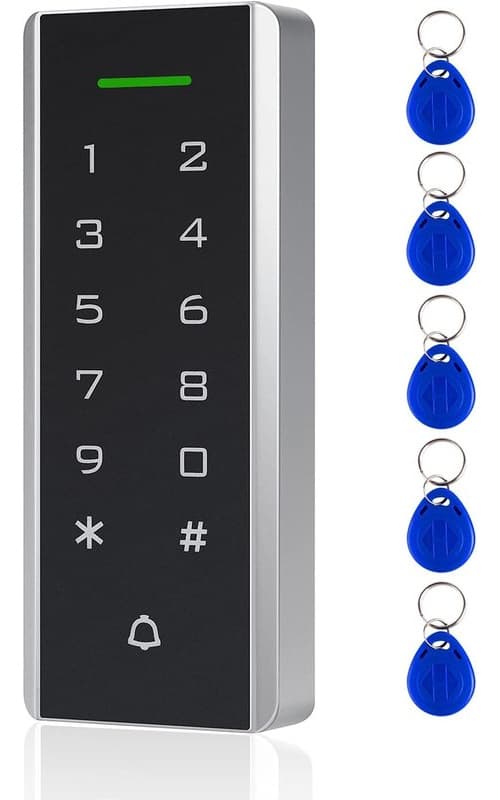
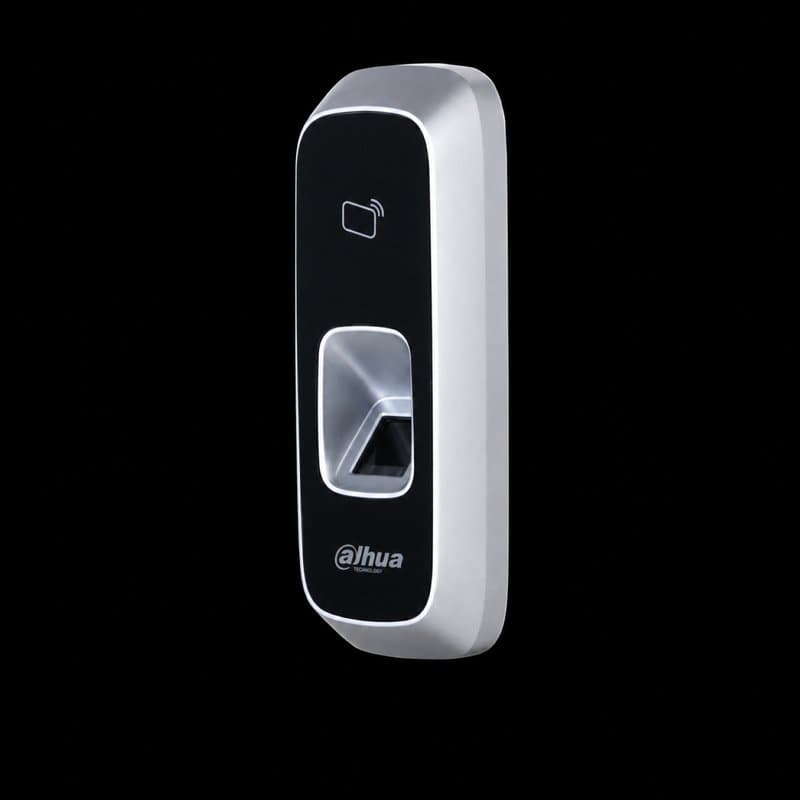
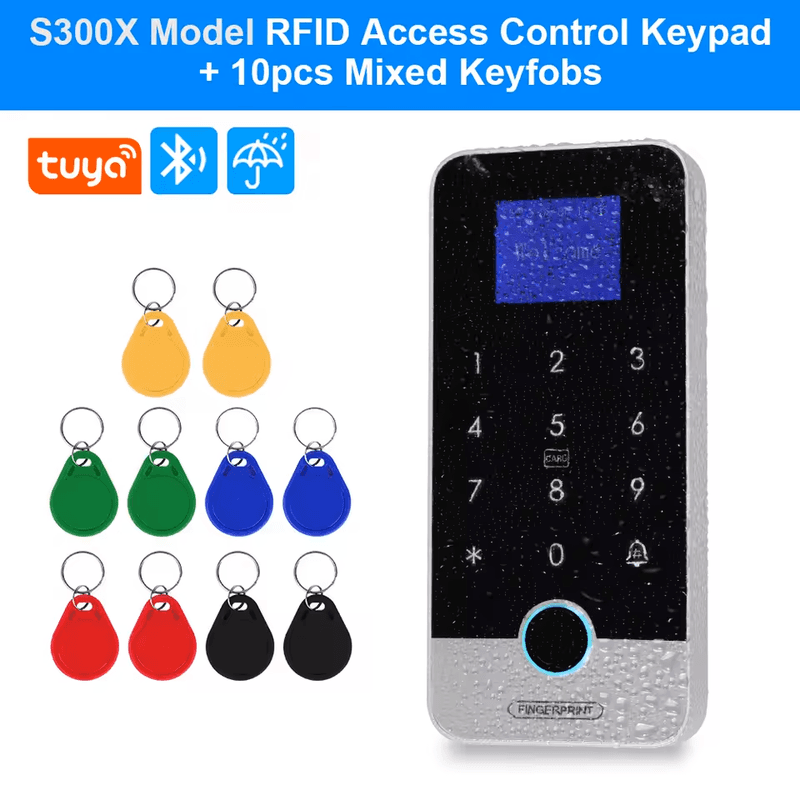
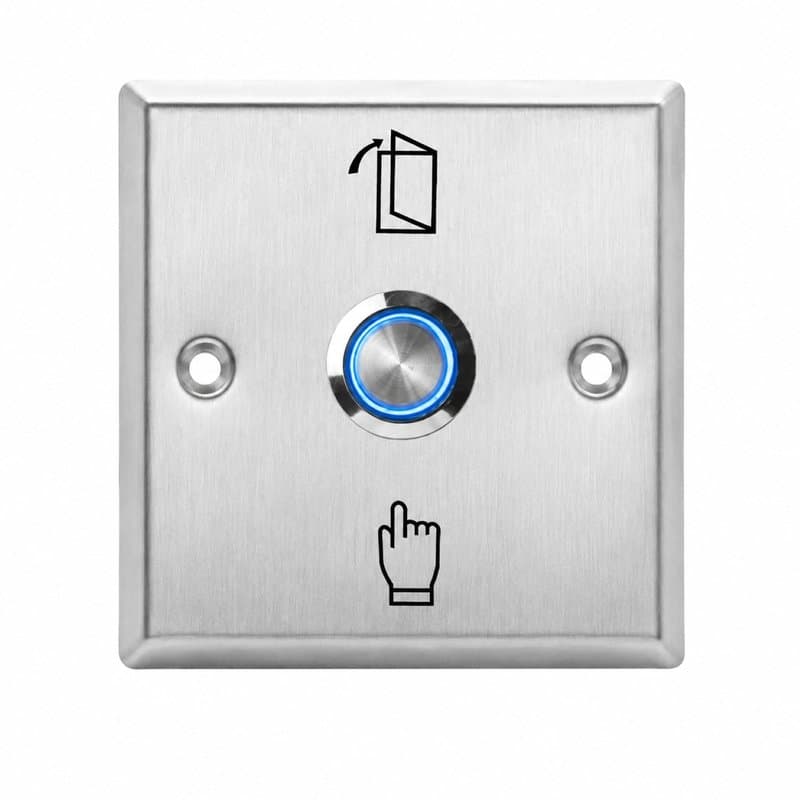
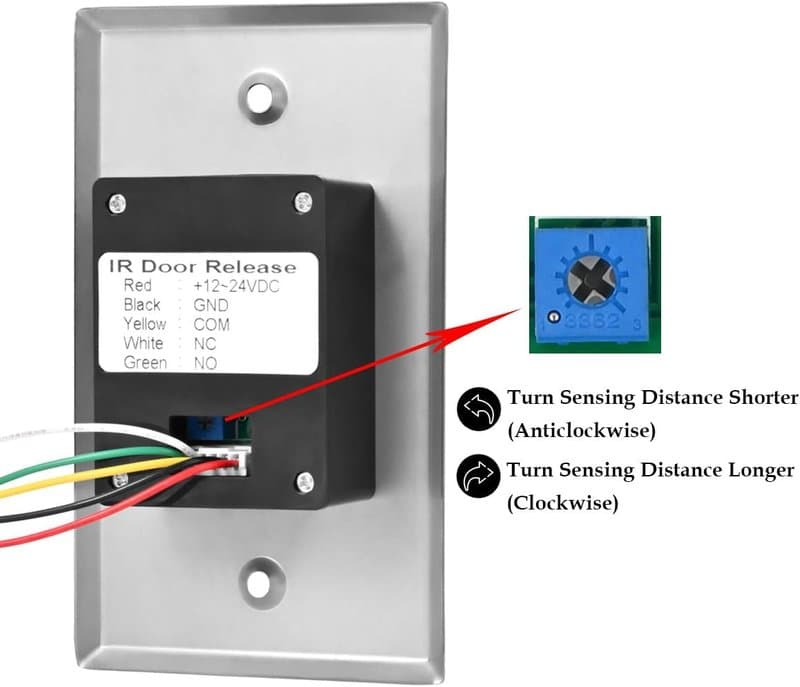
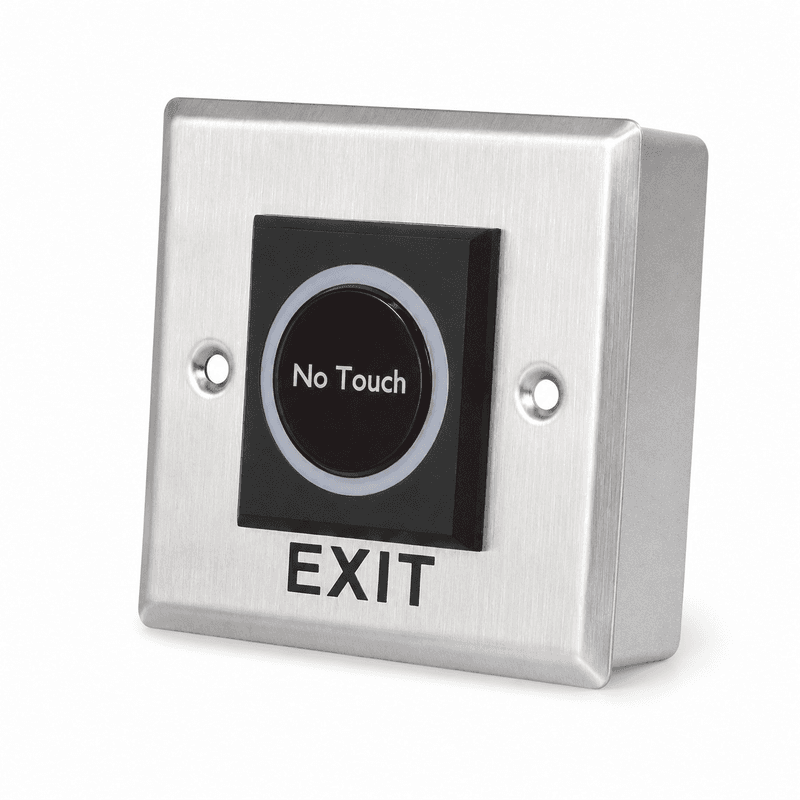
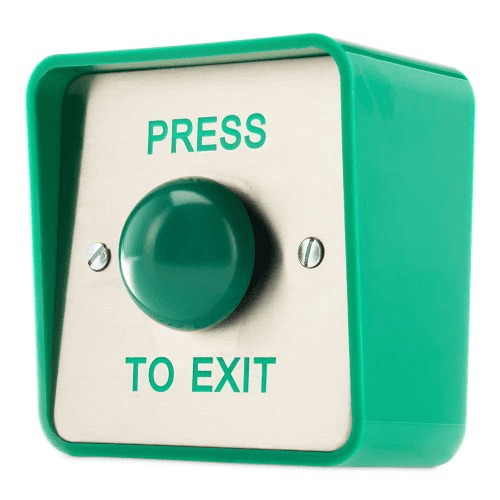
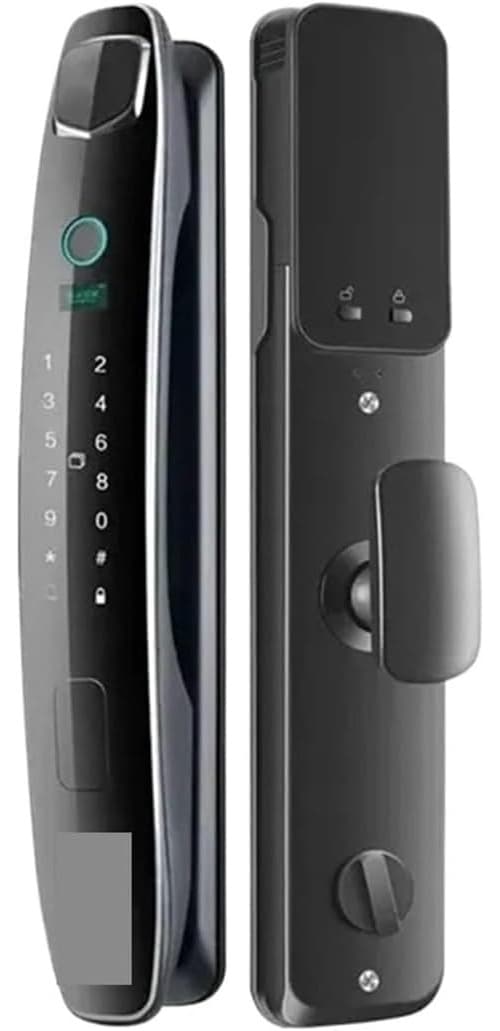
Every controlled door is the same four choices. How the person identifies themselves — a fob, a card, a PIN, a fingerprint or a face. What holds the door — in this range that is a magnetic lock, sized by holding force. How people get out — a request-to-exit device on the secure side, which is a requirement rather than a convenience. And where the decision is made — at the door in a standalone keypad, or in a controller that serves several doors from one user list.
Get the credential frequency right before you order anything. 125kHz (EM4100/EM4102, sometimes badged "proximity" or "ID") is cheap and universal, and it broadcasts a fixed number that an inexpensive duplicator can copy. 13.56MHz (MIFARE / NFC, ISO14443A) uses an encrypted exchange and is what belongs on any door protecting stock, cash or a residential block. A reader only accepts the frequency it was built for, so read the existing reader before quoting fobs to extend an old system — the two fobs look identical and will not work in each other’s readers.
Size the magnetic lock by the door, then fix the alignment. Holding force is a straight pull on a perfectly aligned armature, so a bracket that lets the armature sit flat is worth more than the next size up in force. A pair of doors needs a twin unit that holds both leaves. An outdoor gate needs a weather-rated body — an indoor lock on a gate corrodes within a season.
Magnetic locks are inherently fail-safe: cut the power and the door opens. That is the correct behaviour on an escape route, and it is why a maglock is not the right lock for a store room or a comms room that must stay shut in a power cut. On any door forming part of a means of escape, the release arrangement — an emergency release in the lock’s power line, and often a link to the fire alarm — is a fire-officer question, and it must be settled before the lock is chosen.
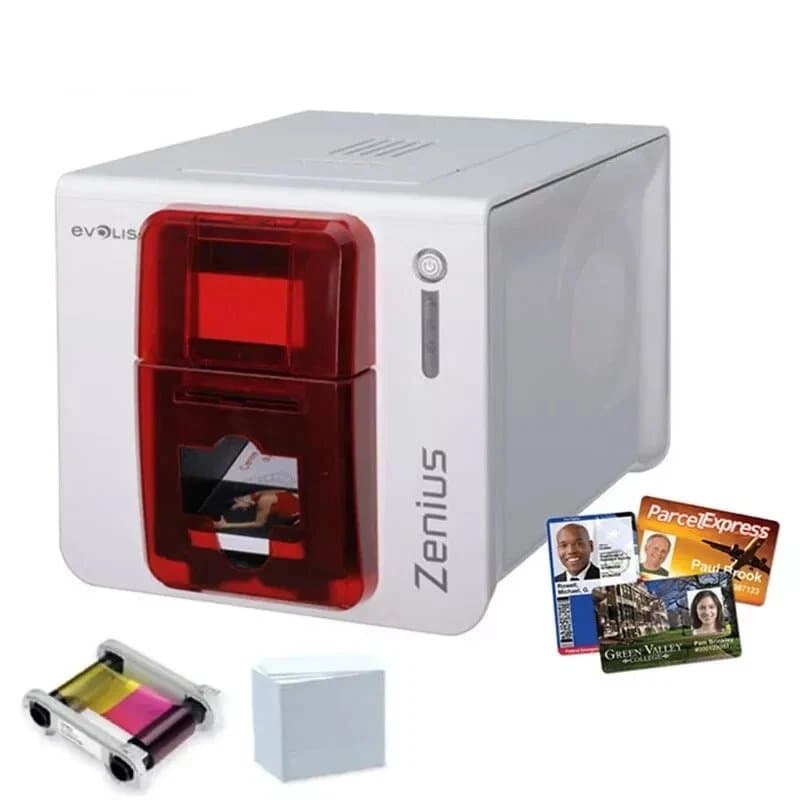
Beyond a couple of doors, put the decision in a controller. Standalone keypads keep their user list at the door, so removing a leaver means visiting every door with the master card. A controller holds one list, logs who opened what and when, and takes a dry contact into an NVR alarm input so a door event bookmarks the footage — the single most useful integration on a small commercial site. If you issue printed staff cards rather than fobs, the card printer in this range prints them in-house — encoding the credential is a separate step, so pair printed cards with fobs or an encoding-capable printer.