CCTV Storage HDDs: 500GB–18TB Trade Stock UK
38 products — trade-grade UK stock from CCTV Line.
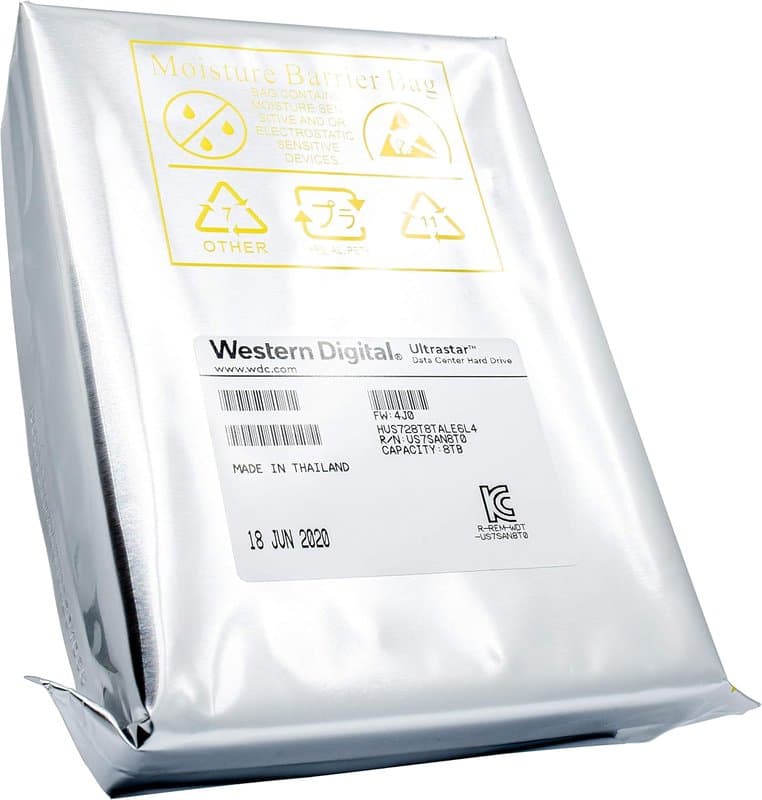
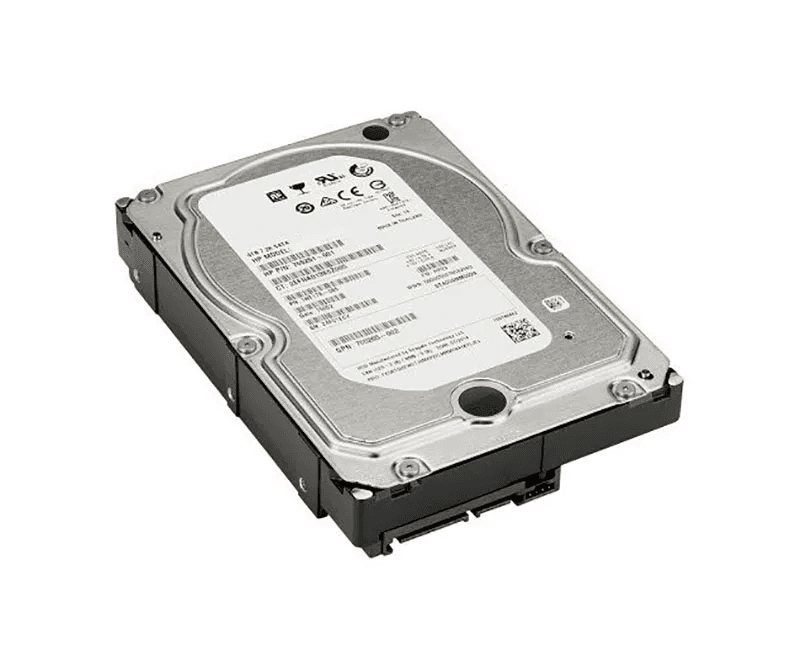
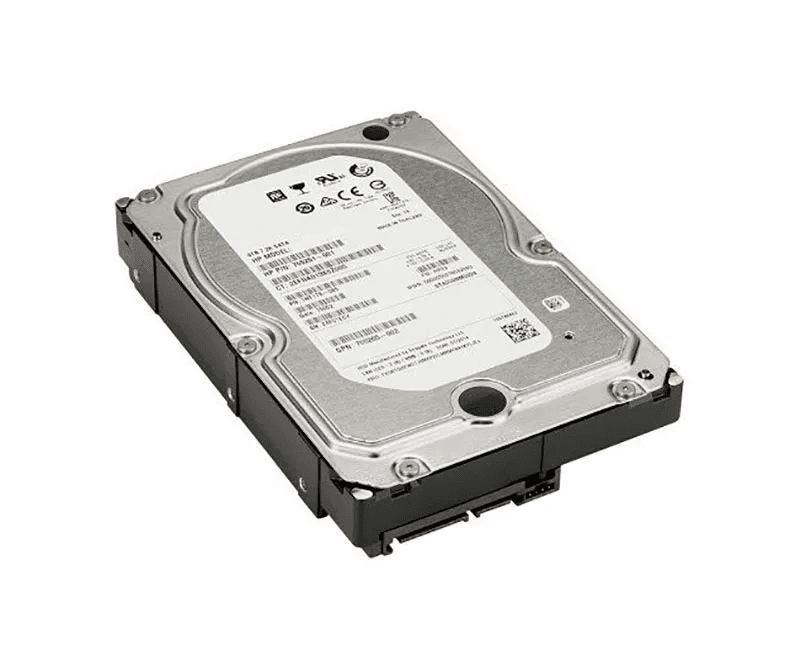
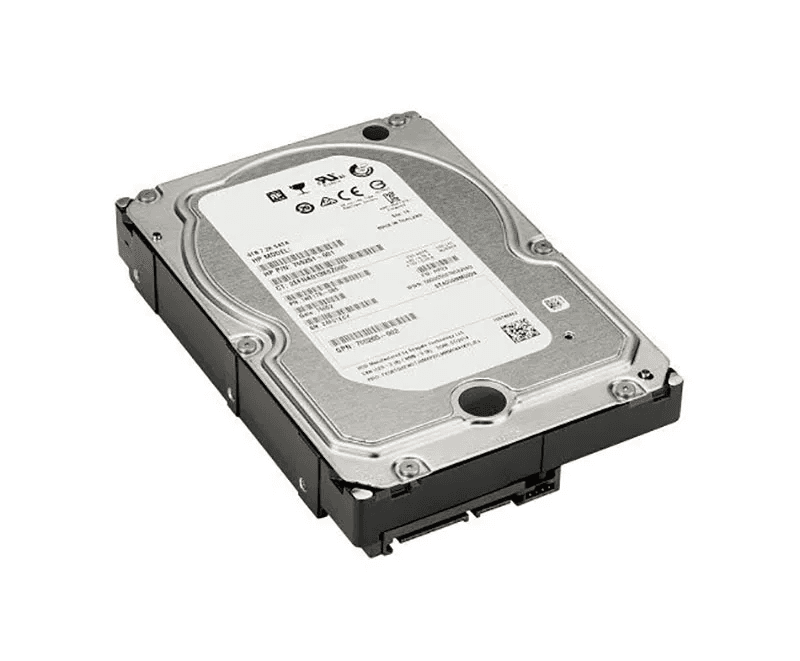
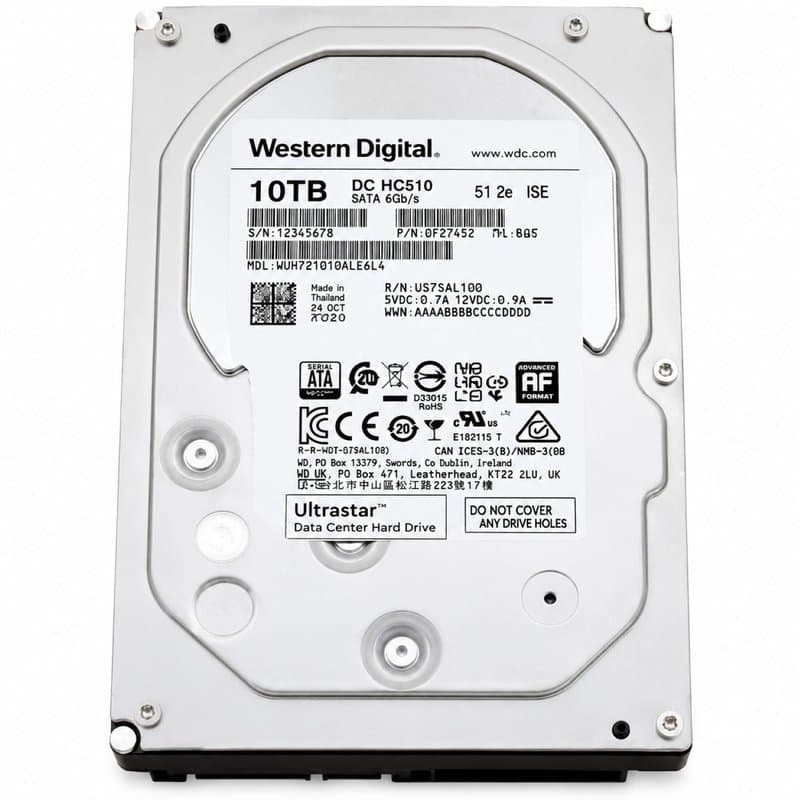
CCTV Line sells 8TB surveillance hard drives to UK trade buyers, including the Western Digital Ultrastar 8TB Enterprise SATA 3.5" Hard Drive, the Toshiba MG Series 8TB Enterprise Hard Drive 3.5" SATA 7200RPM and the Lenovo 00XH265 8TB 7.2K SATA 3.5" Enterprise Hard Drive.
Storage for CCTV recorders
Capacity and drive class are the two decisions that matter when specifying storage for a DVR or NVR. This range covers surveillance-rated internal hard drives from 2TB to 10TB, general-purpose SATA drives, and portable USB drives for archiving footage offline.
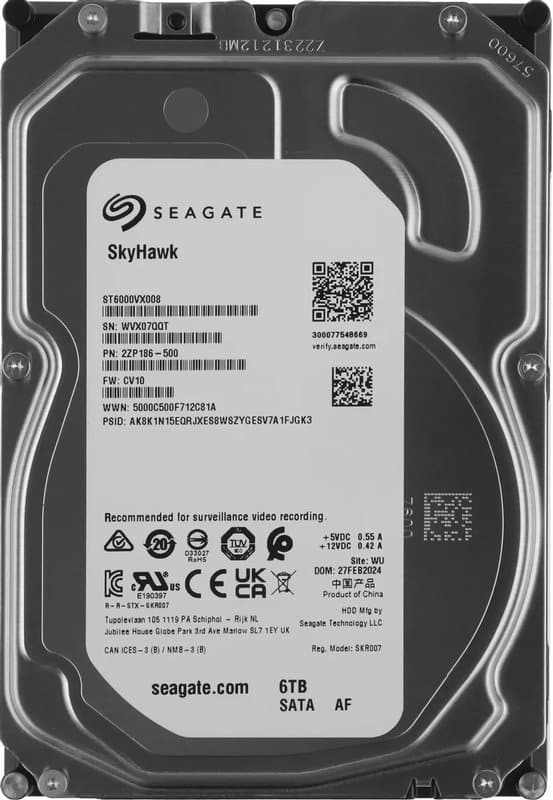
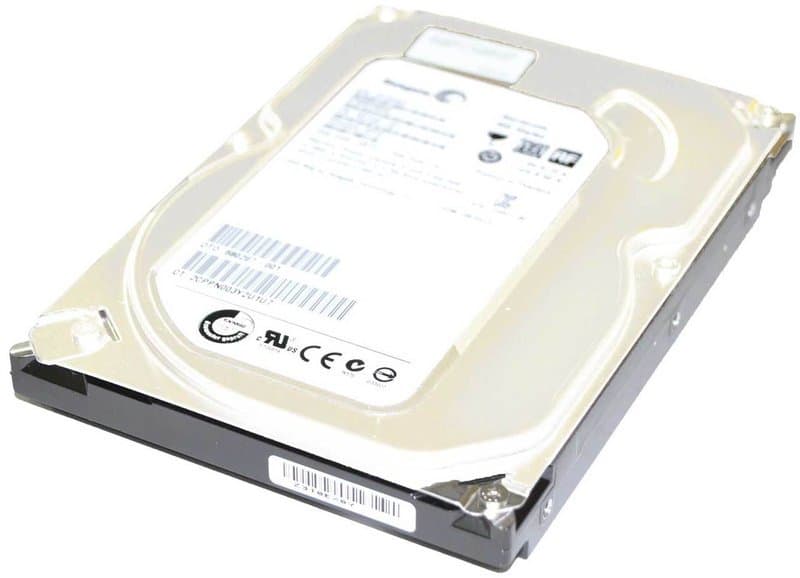
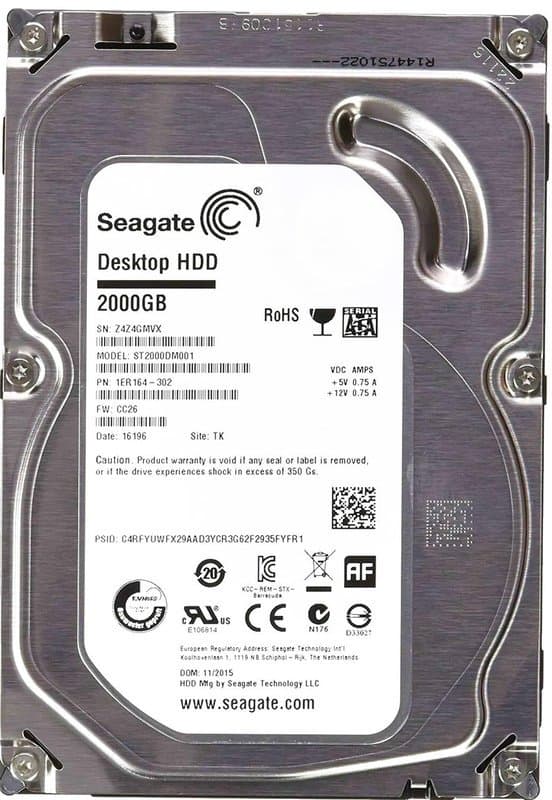
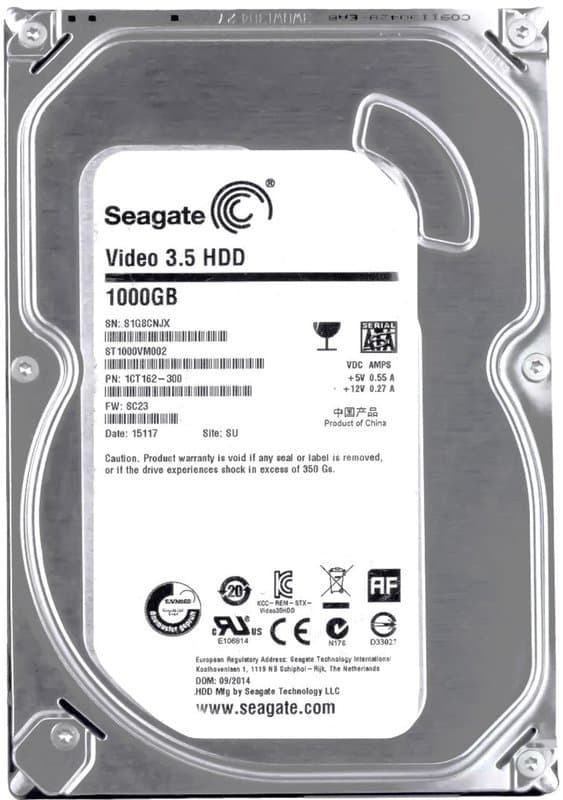
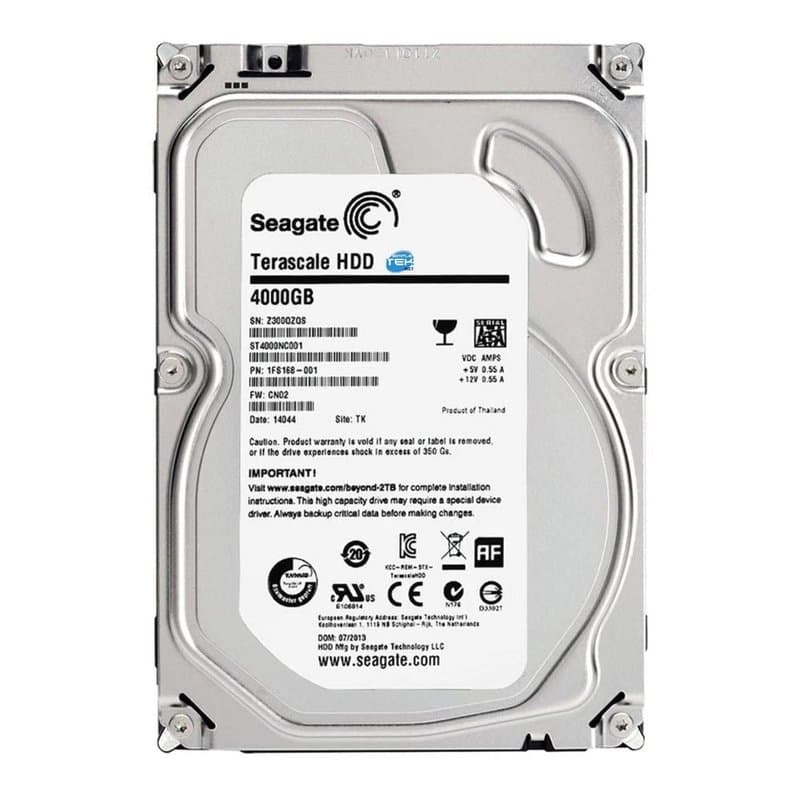
Most units here are 3.5" SATA drives intended for continuous, 24/7 write cycles typical of CCTV recording, rather than desktop drives designed for intermittent use. Surveillance-class drives (such as the Toshiba S300 and HGST models) are built with firmware tuned for streaming video writes across many simultaneous channels, which reduces the error-handling delays that can cause frame drops on standard desktop drives.
How to choose
- Capacity — match drive size to channel count, resolution and retention period; higher-capacity drives (8TB, 10TB) suit multi-channel NVR installs needing longer retention.
- Duty cycle — surveillance and enterprise-class drives are built for always-on recording; general SATA drives may suit lighter-duty or backup roles.
- Interface — all listed internal drives use 3.5" SATA (6Gb/s where specified); confirm the recorder supports the drive's rated capacity.
- Archiving — portable USB 3.0 drives (e.g. Verbatim 4TB) suit offloading footage for evidence retention rather than live recording.
Always check maximum supported HDD capacity in the recorder's manual before ordering.
Storage — frequently asked questions
What size hard drive do I need for a CCTV recorder?
It depends on channel count, resolution and how long you need to retain footage; this range offers drives from 2TB up to 10TB to suit smaller and larger multi-channel installs.
What's the difference between a surveillance drive and a standard desktop drive?
Surveillance-class drives such as the Toshiba S300 are designed for continuous, 24/7 write cycles typical of CCTV recording, whereas standard desktop drives are generally built for intermittent use.