WAGO Connectors UK | Lever Terminals, Bulk Packs & Trade
94 products in our Accessories range — trade-grade UK stock from CCTV Line.
Connectors for CCTV and network installs
This range covers the small hardware that makes or breaks a job on site: lever-nut wire connectors, video baluns, RJ45/Cat5e/Cat6 couplers, DC power connectors, and IDC crimp connectors for telephone and CCTV cable.
How to choose
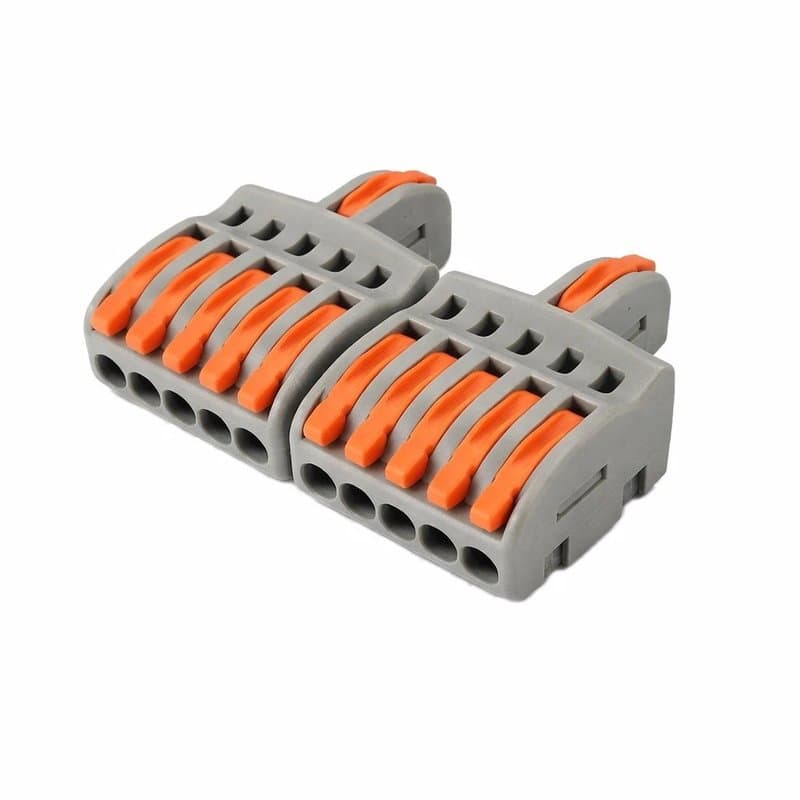
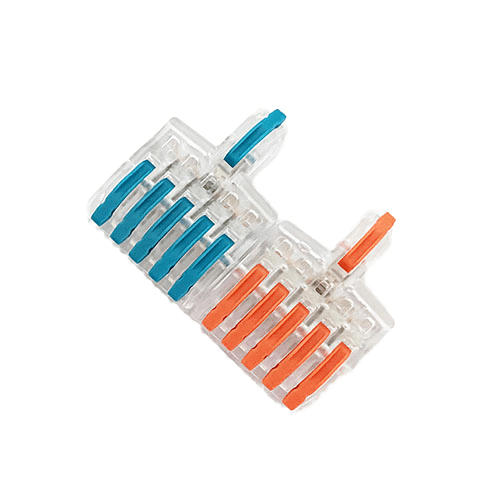
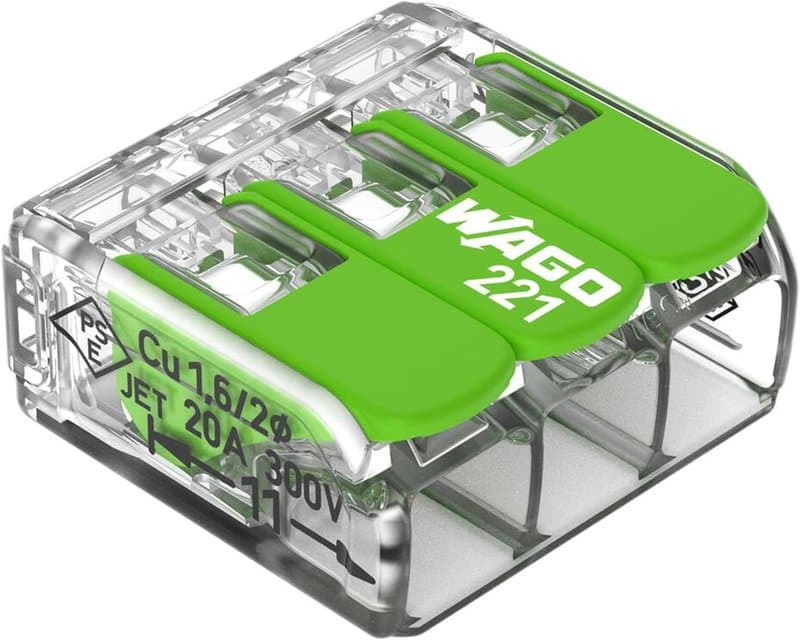
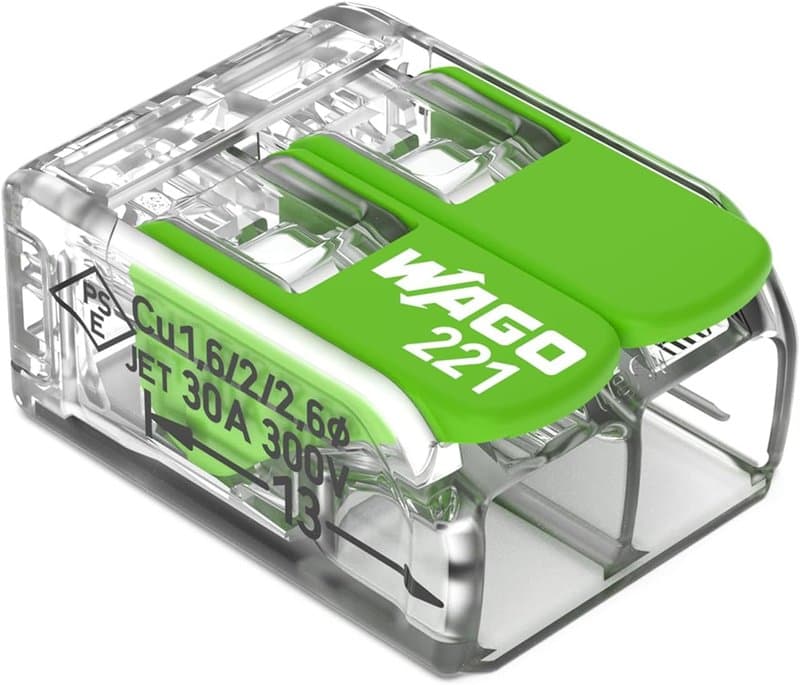
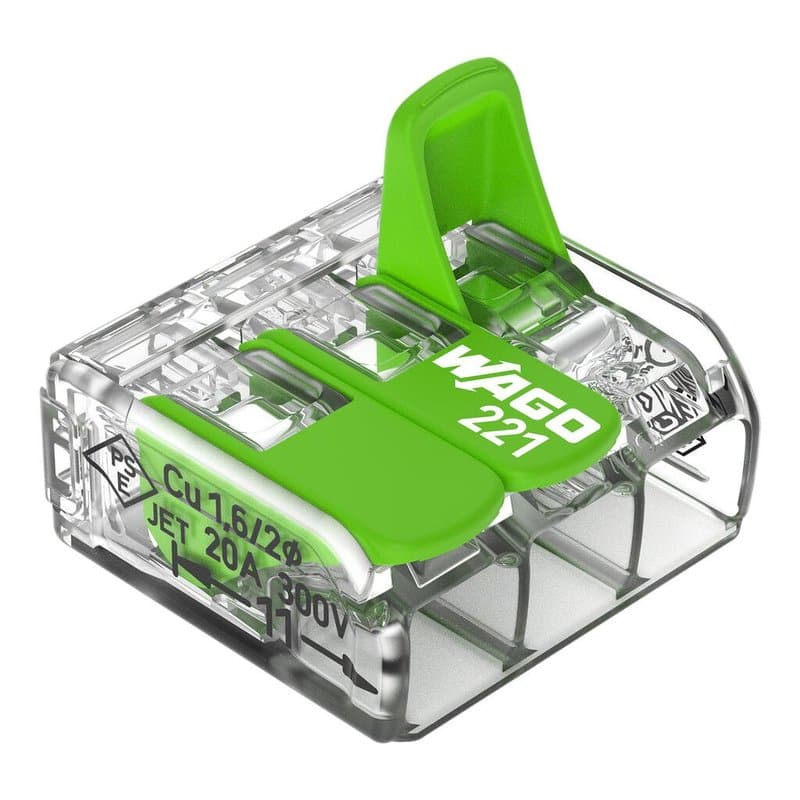
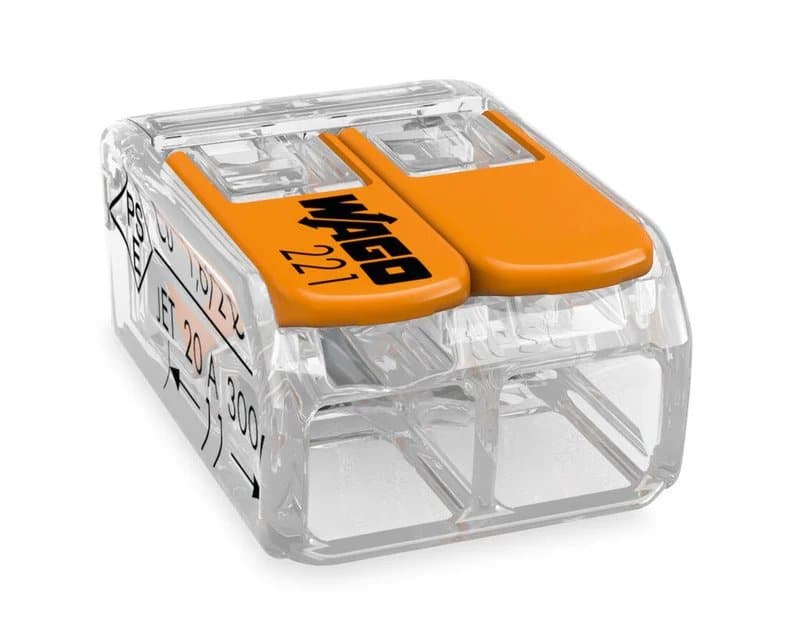
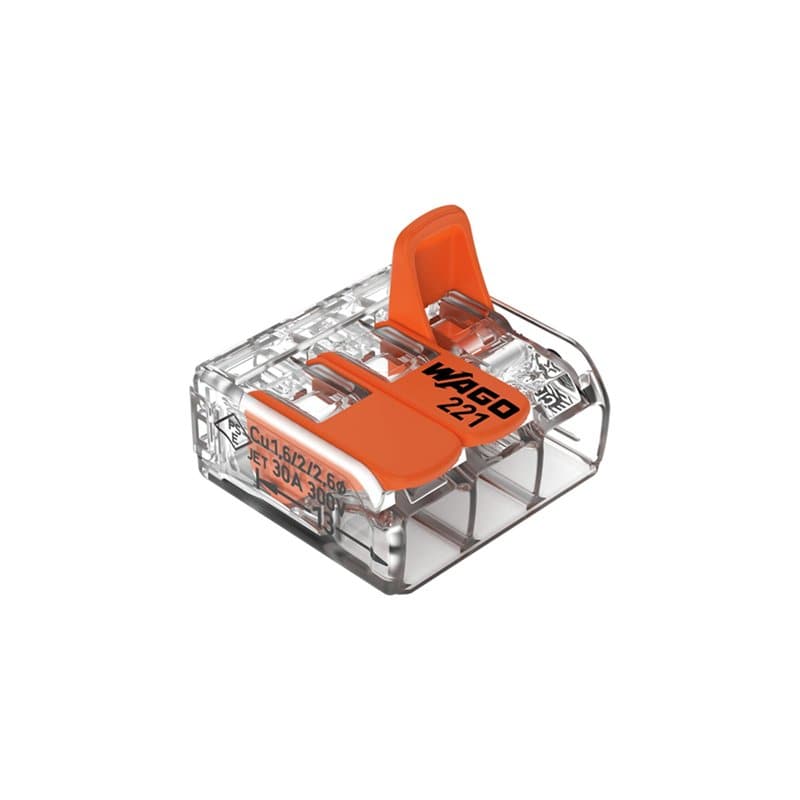
- Joining mains or low-voltage conductors — WAGO 221 series lever connectors (2-conductor 32A, with or without test port) and the 221 PCT-415 1-in-4-out terminal suit quick, tool-free splices; the SPL-3 lever-nut and 108 push-wire block cover compact 3-in/3-out or 8-port inline runs.
- Extending or converting video runs — passive BNC-to-RJ45 baluns let you send analogue HD signal (CVI/TVI/AHD/CVBS, up to 8MP on the listed model) over twisted-pair cable instead of coax; check channel count (e.g. 4CH) against your DVR.
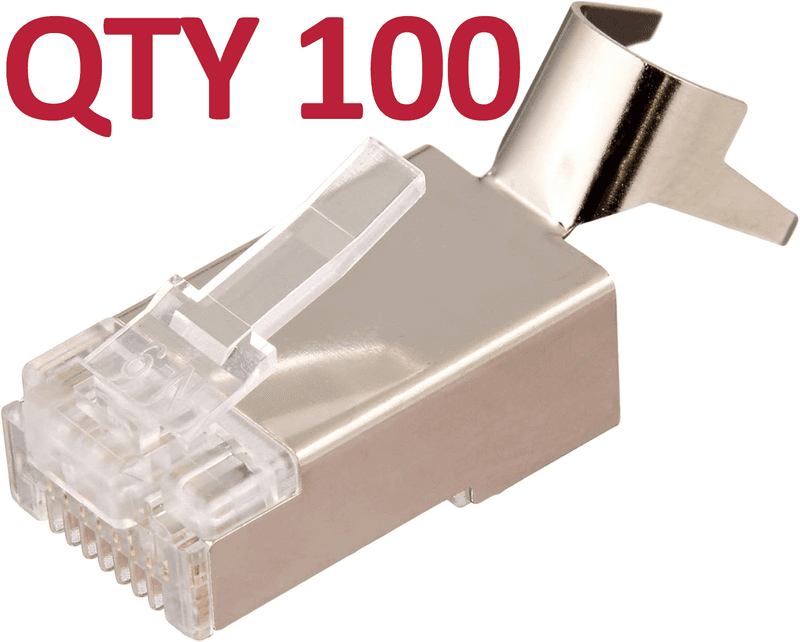
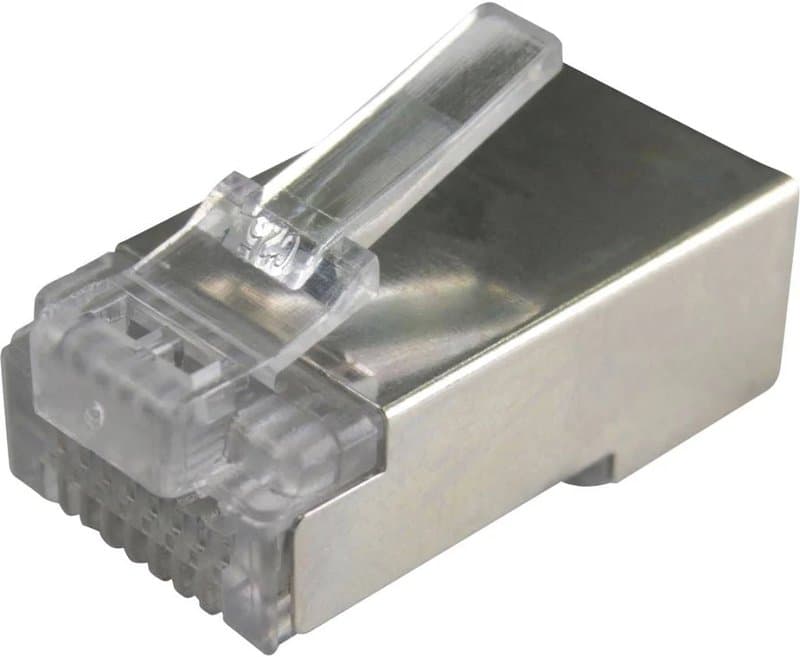
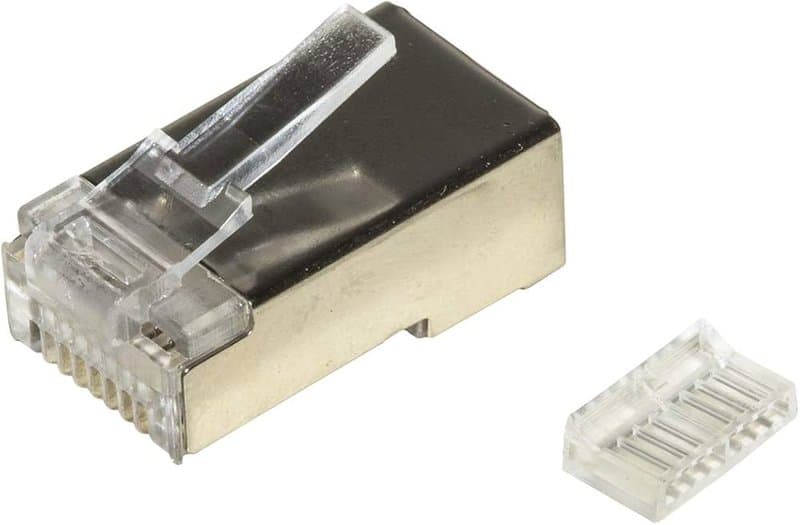
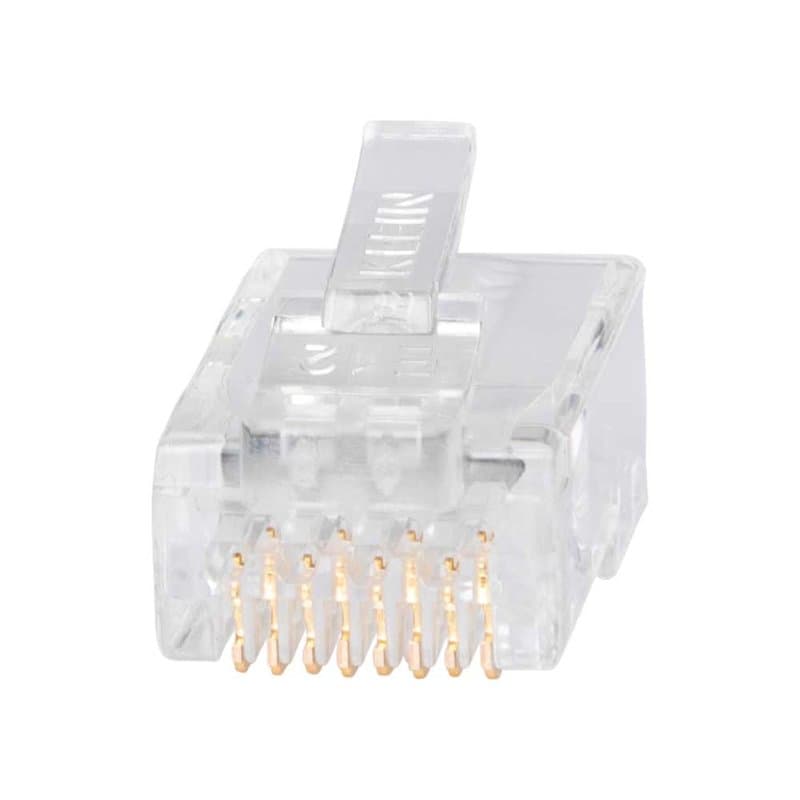
- Extending network cable — RJ45 couplers join two Cat5/Cat6 runs, while bulk Cat7 shielded RJ45 plugs are for terminating fresh cable ends.
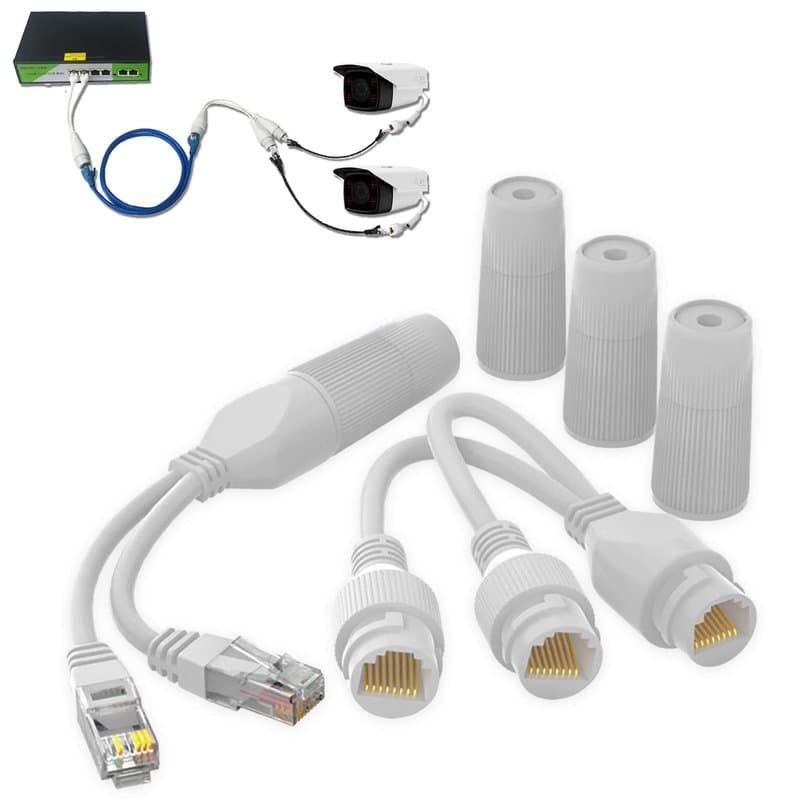
- Powering cameras — 12V DC male/female plug-and-socket connectors give a quick in-line power joint or extension.
- Cable entry and jointing — 2-core jelly-filled IDC crimp connectors seal telephone/CCTV cores against moisture ingress.
Match connector type, conductor count and current rating to the cable and camera load before ordering.
Connectors — frequently asked questions
What is a video balun used for?
A passive BNC-to-RJ45 video balun lets you run analogue HD CCTV signal (CVI/TVI/AHD/CVBS) over twisted-pair cable instead of coax; the listed 8MP model supports these formats.
Are WAGO lever connectors suitable for mains wiring?
The WAGO 221 series in this range is rated at 32A, sold as inline 2-conductor connectors with or without a test port, so check the rating against your circuit before use.
Can I join two lengths of Cat6 cable instead of re-running it?
Yes, an RJ45 Cat5/Cat6 coupler joins two network cable ends as a joiner or extender, though any coupler can add a point of signal loss on long runs.