Product Description
Overview
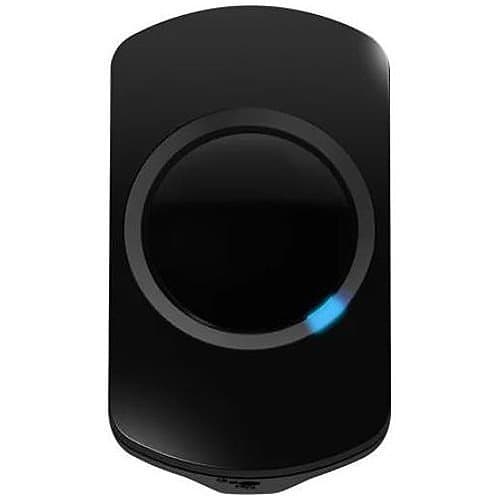
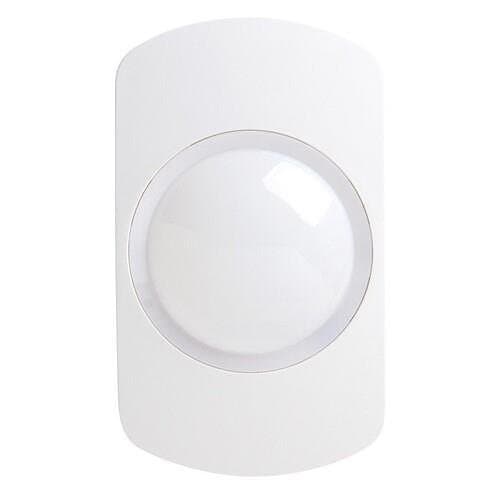
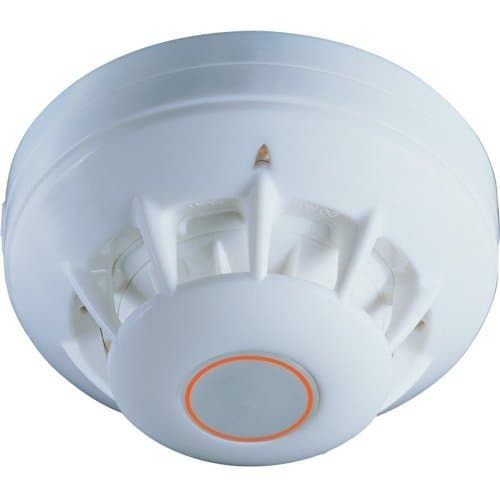
The Texecom AGB-0003 Exodus FT64 is a fixed temperature heat detector with a 64°C activation point, built for professional fire and security alarm installs. It does not detect smoke — it triggers purely on ambient heat, which is the point.
Key specs
- Activation: fixed at 64°C
- Wiring: 12V 4-wire configuration
- Output: built-in alarm relay for direct control panel connection
- Compliance: EN54-5 fire detection standard
- Detection method: microprocessor-controlled thermal detection algorithms
- Commissioning: alarm simulation test button fitted as standard
Wiring and panel integration
The 12V 4-wire configuration with integrated alarm relay allows direct connection to conventional fire or intruder alarm control panels — no interface module required on compatible zones. Confirm the panel/zone supports 4-wire conventional heat detectors before specifying.
Where to fit it
Because it's heat-only, not smoke-only, the FT64 suits kitchens, garages and dusty environments where smoke detectors are prone to nuisance alarms. EN54-5 compliance makes it appropriate for specified fire detection zones on professional installs.
Commissioning
The alarm simulation test button lets installers trigger a test alarm condition without waiting for the ambient temperature to reach 64°C, useful for commissioning and periodic maintenance checks.
Specifications
- Brand
- Texecom
Technical Specifications
Frequently Asked Questions
What temperature triggers the Texecom AGB-0003 Exodus FT64?
It activates at a fixed 64°C, signalling through the connected control panel.
How does the FT64 wire into a panel?
12V 4-wire configuration with a built-in alarm relay, for direct connection to a conventional fire or intruder alarm control panel.
Is the AGB-0003 compliant with fire detection standards?
Yes, it's EN54-5 compliant, the standard covering heat detectors for professional fire detection use.
Where should the FT64 be installed?
Kitchens, garages and dusty environments suit it, since these areas commonly cause nuisance alarms on smoke detectors.