Product Description
Key specs
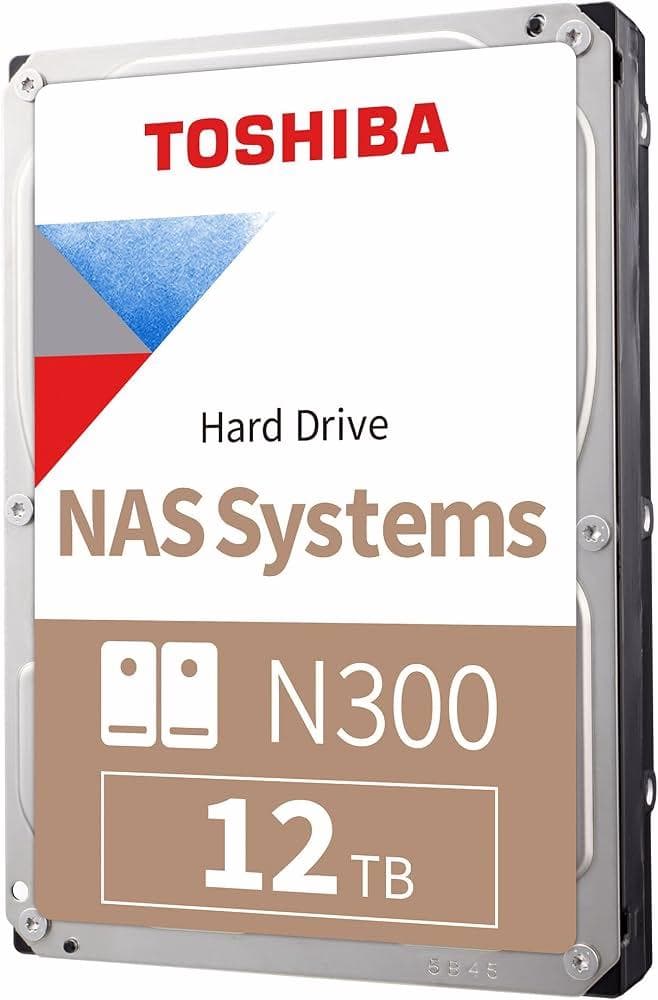
- Capacity: 12TB
- Form factor / interface: 3.5" SATA III
- Spindle speed: 7200 RPM
- Cache buffer: 256 MB
- Duty cycle: designed for 24/7 continuous operation
- RAID: optimised for multi-bay NAS and RAID environments
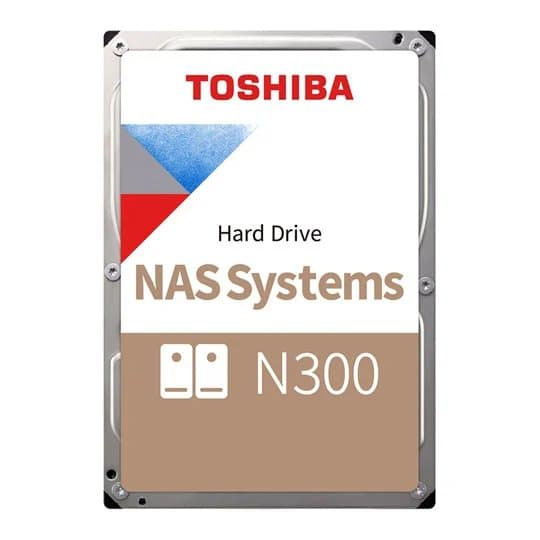
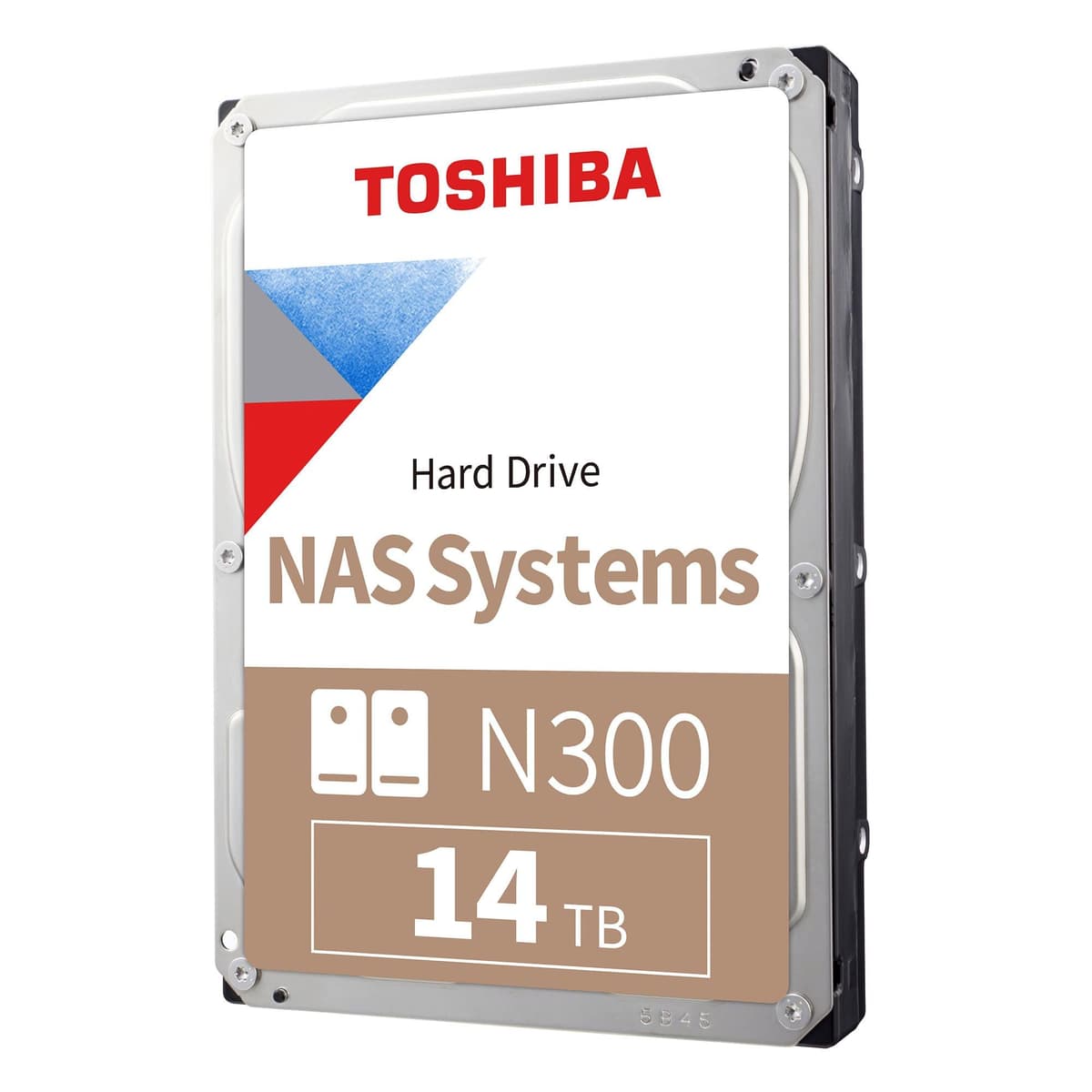
The Toshiba N300 12TB NAS HDD — SATA 7200RPM is a NAS-class drive, not a repurposed desktop unit — the distinction that matters when speccing a recorder or file server that never powers down. Its 24/7 duty rating covers surveillance recorders, VMS servers and NAS enclosures running continuously across a shift pattern or unattended site.
Where it fits on a job
Use it as primary storage in multi-bay NAS boxes, as a RAID member alongside other N300 drives where consistent drive-to-drive behaviour matters, or as an archive/backup tier for footage and file data. The SATA III interface and 3.5" form factor mean it drops into any bay or recorder chassis built for that standard.
Performance notes
At 7200 RPM with a 256 MB cache buffer, the drive holds up under multiple simultaneous read/write streams — the pattern you get from several cameras writing to one array at once. Check the target NAS or NVR's per-bay capacity limit and RAID controller compatibility with your installer or the manufacturer's datasheet before adding this drive to an existing array.
Specifications
- Brand
- Toshiba
- Capacity
- 12TB
- Connector Type
- SATA
Technical Specifications
Frequently Asked Questions
What interface and form factor does the N300 12TB use?
It's a 3.5-inch drive with a SATA III interface, suitable for NAS enclosures, servers and recorders that accept that standard.
Is this drive rated for continuous operation?
Yes, the N300 series is designed for 24/7 continuous operation, which suits NAS boxes and recorders that run without downtime.
Can multiple N300 drives run together in a RAID array?
Yes, the N300 is optimised for RAID and multi-bay NAS environments where several drives operate together.
How much cache does the 12TB N300 have?
It has a 256 MB cache buffer, which supports throughput during simultaneous read/write operations.